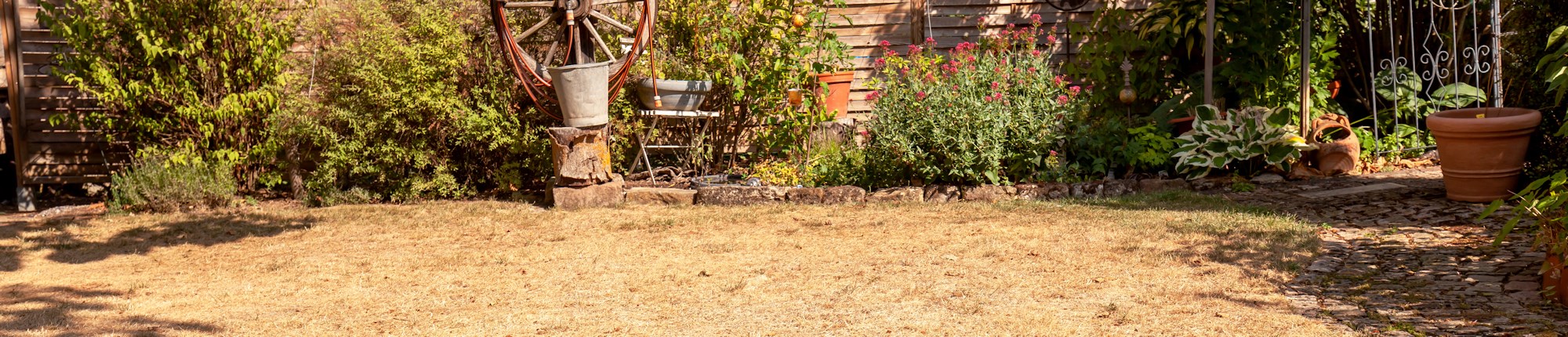
How To Help Your Lawn Recover After a Drought
The combination of beating hot sun and a lack of rain can leave your lawn paying the price. A prolonged period without any rain, coupled with a hosepipe ban and drought conditions can leave your garden looking dry, crispy and desperate for some tender loving care. Bringing your grass back to life may seem like an impossible task, however with care and patience, you can have a luscious green lawn through the autumn.
Lawn Assessment
At a glance, your grass may look like it will never come back, but there could be much more happening below the surface. Before you start treating your lawn, it is best to assess whether it is fully dead or just dormant.
Dead grass – brittle all the way to the roots and pulls out of the soil easily with no resistance.
Dormant grass – looks brown on the surface but underneath you will find flexible roots and new growth crowns.
Preparing The Ground
A common mistake gardeners make when their grass is looking brown is to apply a lawn feed or fertiliser straight away. While lawn fertilisers are essential for healthy, thick lawns, if not prepared properly the already brown grass will scorch and further dehydrate.
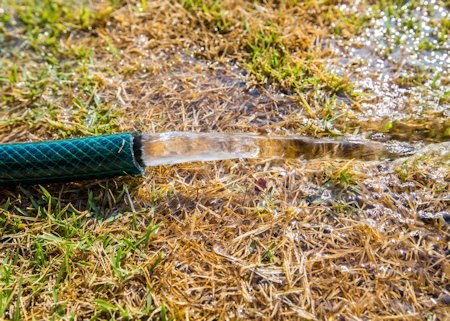
Before starting any treatment work, the soil and grass need to be thoroughly watered; given the current hosepipe bans in many areas this may be a case of waiting until enough rain has fallen. This could be over the course of a week, to give it time to adjust. Extreme drought conditions can cause the soil to become hard and compact, making it difficult for the water to efficiently soak through. If you’re lucky enough to NOT be affected by a ban, then watering early or late in the day will be the best approach.
Recipe For Success
Bringing your lawn back to life may seem tedious or long winded, but there are a few ways to ensure your hard work is fully utilised.
Low traffic – brown grass will be brittle and tender. Reduce or fully remove all traffic over recovering lawns where possible.
Increased mower blade height – If your grass was on the longer side before the drought hit, you may feel the need to give it a trim. If that is the case, make sure to raise your cutting blade to the highest setting and let the grass clippings fall back onto the lawn. The cuttings will provide a blanket of protection and help to lock in the moisture you’ve been putting back into it.
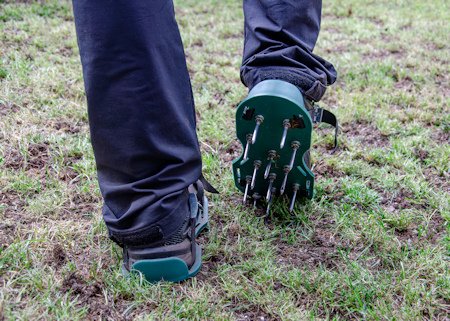
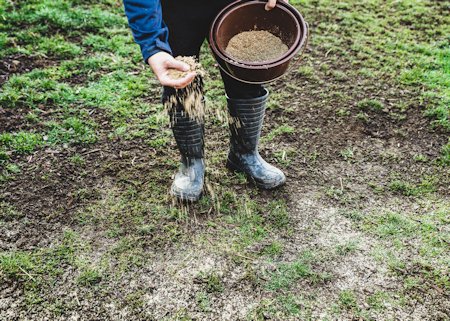
Aerate and overseed – using a garden fork, lawn aeration tool, or these aeration shoes, press small holes into the surface of the soil for improved airflow through the roots. You could also couple this with overseeding, spreading a layer of fresh lawn seed into the holes to fill any gaps or sparse area of lawn. To give your fresh seed the best chance, add a layer of lawn seeding soil to help level uneven areas and protect the seeds.
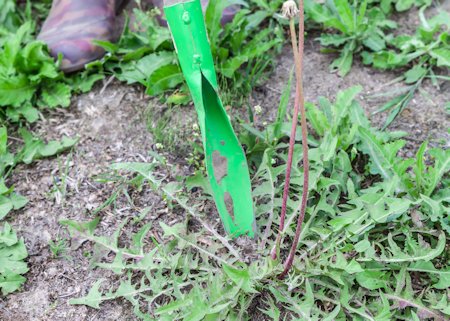
Weed removal - skip weed killers, and instead dig out large weeds that are stealing water and nutrients from fresh grass. This corona weeding tool makes weed removal quick and easy!
Additional Nutrition
Once you begin to see new growth and the ground is no longer dry or cracked, you can start to apply a gentle autumn lawn feed such as this Miracle-Gro treatment to help reduce moss and build stronger roots, or Viano Mo Bacter for an organic lawn feed alternative that is safe for children and pets. We would advise avoiding lawn treatments that are high in iron which can scorch the fresh growth before it gains strength.